Kodaikanal Glamping: We Paid ₹5,000 for a Glass Dome—Here’s What Disappointed Us
Before you drop ₹5,000 on a dreamy Kodaikanal glass dome for those perfect Instagram views, you need to know about the frustrating design flaws that local glamping sites hide behind gorgeous filters.
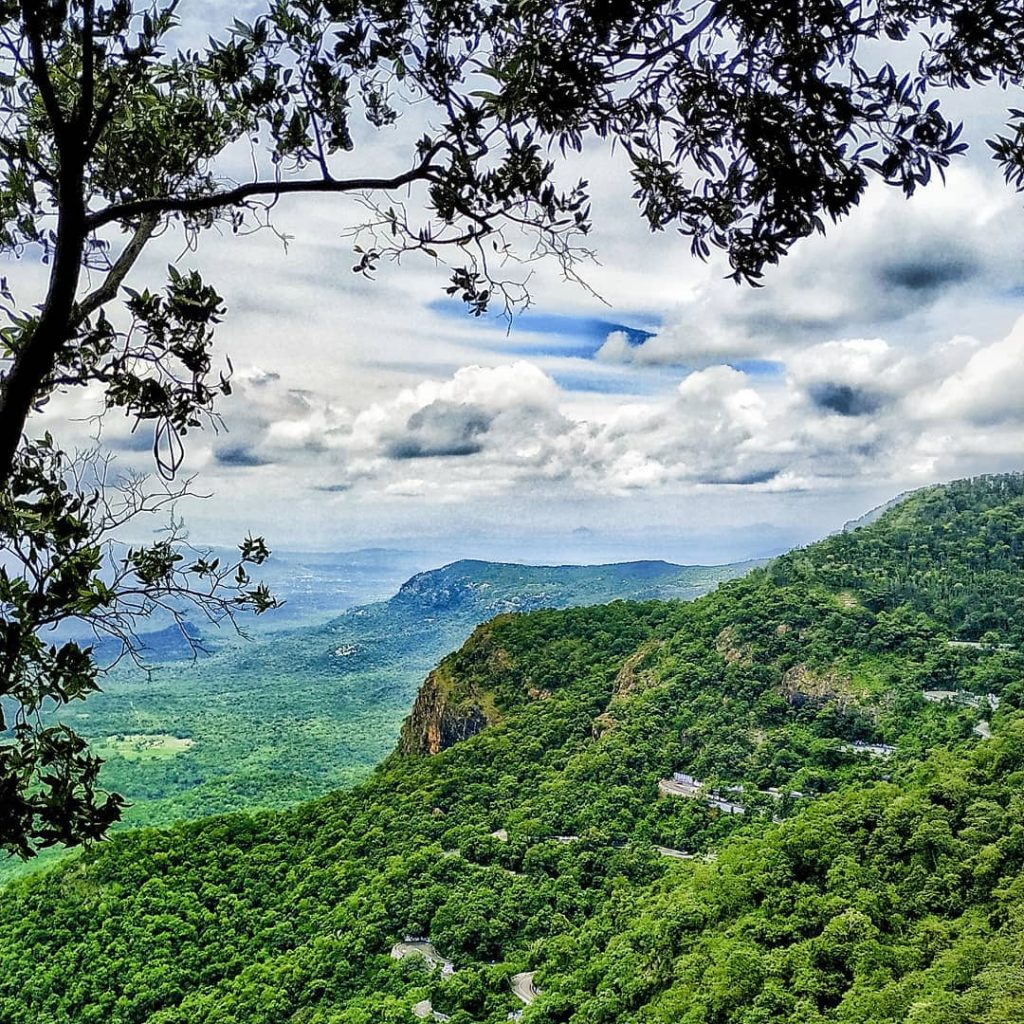
You’ve seen the viral reels: a cozy, aesthetic dome perched on a misty cliffside in Vilpatti or Poombarai, a warm duvet, and uninterrupted views of the valley. It looks like the ultimate luxury mountain escape.
We bought into the hype, booked a popular glamping site in Kodaikanal for ₹5,000 a night, and expected a magical experience. Instead, we spent the night grappling with design failures that turned our “luxury” stay into an expensive, uncomfortable mistake.
If you are planning a trip to the Princess of Hill Stations, here is the honest, unfiltered truth about Kodaikanal’s glass domes before you swipe your card.
| Factor | Critical Traveler Details |
|---|---|
| Price Range | ₹5,000 – ₹12,000 per night (Mid-tier to Premium) |
| Daytime Temp | Greenhouse effect (Stifling hot, up to 32°C inside) |
| Nighttime Temp | Rapid heat loss (Freezing, poor insulation) |
| Privacy Level | Low (Transparent panels offer zero daytime privacy) |
| The “View” Myth | Heavy condensation blocks outdoor visibility by 6 PM |
1. The Greenhouse Effect: Freezing Outside, Sweltering Inside
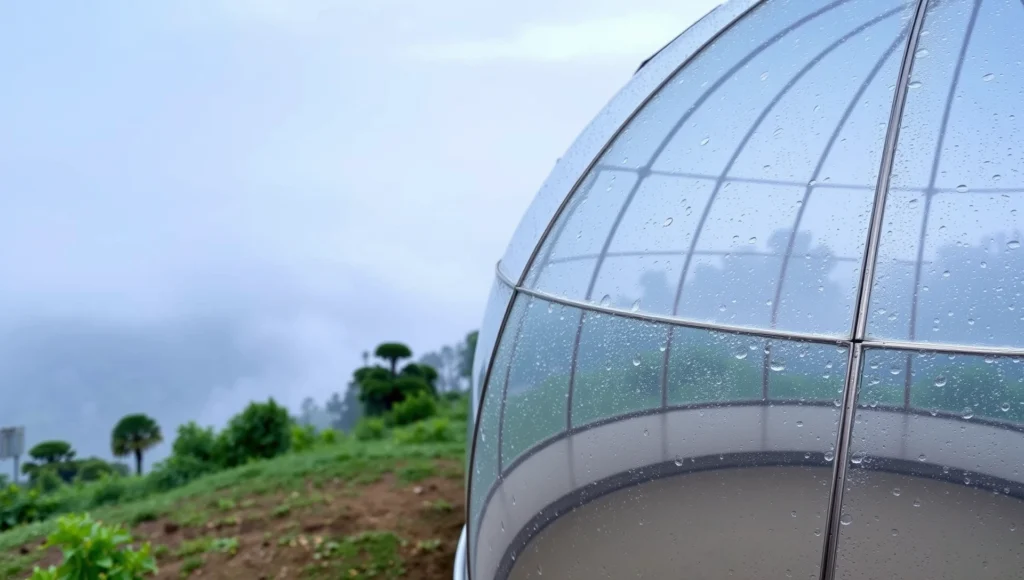
Kodaikanal’s weather is famously pleasant, but physics works against glass dome structures. Most budget and mid-range domes (ranging from ₹4,000 to ₹6,000) are built using heavy-duty PVC or polycarbonate sheets wrapped over a metal geodetic frame.
During the day, when the mountain sun hits the dome, it acts exactly like a greenhouse. It traps solar radiation. By 1:00 PM, the inside of our dome felt like a sauna—stifling, humid, and completely unlivable. Because these domes rarely feature air conditioning (hosts assume Kodaikanal’s natural climate is enough), we were forced to sit outside on the deck just to catch a breeze.
2. The Condensation Trap Blocks the Entire View
The main reason you pay a premium for a glass dome is the panoramic view of the mist rolling over the hills. However, the moment the outside temperature drops in the evening, thermodynamics kicks in.
Your body heat and breathing inside the sealed dome create moisture. When this warm, humid air hits the freezing cold PVC or glass panels, it creates massive condensation. By 6:00 PM, our beautiful panoramic window was entirely fogged up from the inside. We couldn’t see the mountains, the valley, or the stars. To see anything, we had to constantly wipe down the panels with towels, which got soaked within minutes.
3. Zero Privacy Unless You Close the Curtains
Most glamping properties in Kodaikanal pack multiple domes onto a single hillside plot to maximize revenue. While the booking photos make it look like you are isolated in the wilderness, the reality is very different.
Other guests walking to their domes or staff delivering food can see directly into your clear panels. To have any privacy, we had to pull the heavy blackout curtains shut. But once the curtains are closed, you are essentially sitting inside a dark, cramped plastic tent. Why pay ₹5,000 for a scenic glass dome if you have to keep it closed to avoid eye contact with strangers?
4. The Midnight Freeze: Poor Insulation
Just as the dome traps heat during the day, it loses it rapidly at night. PVC and standard glass panels have terrible thermal insulation properties.
By 2:00 AM, when Kodaikanal’s temperature dropped to 10°C, the dome turned into an icebox. The single small room heater provided by the property was entirely useless because the heat escaped through the uninsulated ceiling instantly. We had to sleep under three layers of heavy blankets, shivering through the night.
What You Should Do Instead
If you still want to experience Kodaikanal’s misty beauty without the discomfort, skip the cheap ₹5,000 PVC domes. Here is what we recommend instead:
- Choose A-Frame Cabins: Wooden A-frame cabins offer much better insulation, rustic charm, and large glass windows that don’t suffer from the greenhouse effect.
- Look for Double-Glazed Glass: If you must book a dome, ask the host if the panels are double-glazed glass with dehumidifier units installed inside. These premium properties usually cost ₹10,000+ but actually deliver on comfort.
- Check the Layout: Message the property beforehand to ask if their domes are stepped on the hillside to ensure no other guests can look directly into your living space.
Frequently Asked Questions (FAQ)
Q: Do glamping domes in Kodaikanal have attached washrooms?
A: Yes, most reputable glamping sites priced above ₹4,000 offer private, attached western-style bathrooms built into the back of the dome structure.
Q: Is it safe to stay in a glass dome during heavy Kodaikanal rains?
A: While the geodesic structures are highly wind-resistant and waterproof, the sound of heavy rain hitting the plastic or glass panels can be incredibly loud, making it difficult to sleep.
Q: Are room heaters provided in Kodaikanal glamping sites?
A: Most sites provide basic portable room heaters, but due to poor insulation in thin-paneled domes, they are often insufficient during peak winter nights (December to February).