Masinagudi Treehouse Stays: Real Elephant Sightings or a Clever Marketing Trap?
Booking a Masinagudi treehouse hoping for a wild elephant to walk right under your balcony? Before you pay premium prices, here is the unfiltered truth about what actually happens when the sun goes down in the Mudumalai buffer zone.
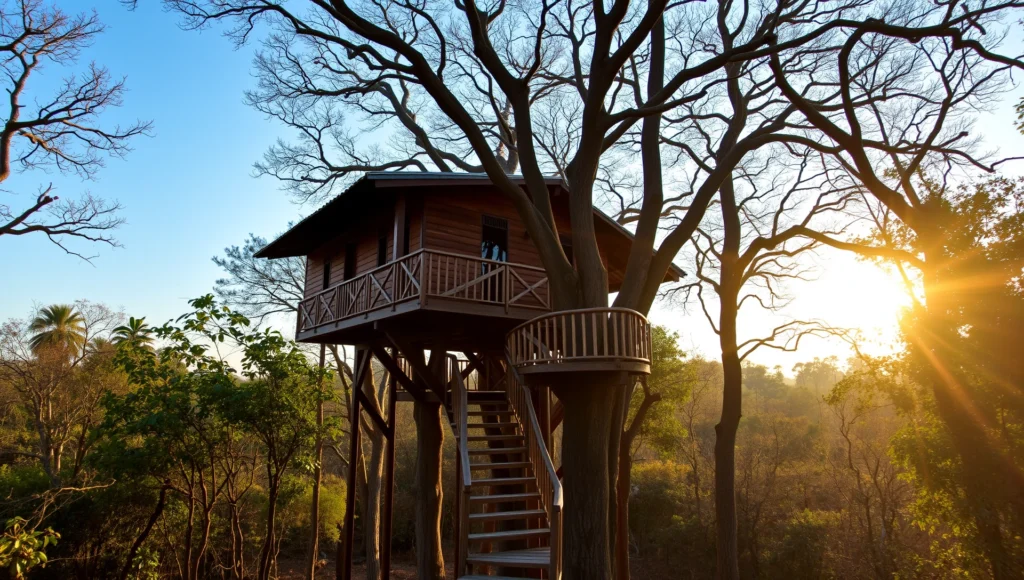
You’ve seen the Instagram reels: a cozy wooden cabin suspended in the canopy, a misty Nilgiri morning, and a majestic tusker grazing peacefully just yards away. It looks like a dream safari experience, right on your doorstep.
But seasoned wildlife travelers and local naturalists in the Nilgiris know a different story. If you book a “treehouse” package expecting a guaranteed, intimate encounter with wild elephants, you might be setting yourself up for a costly disappointment.
Let’s pull back the curtain on Masinagudi’s treehouse tourism.
| Factor | Critical Traveler Reality |
|---|---|
| Elephant Sighting Probability | 15% – 25% (Highly seasonal; mostly during dry migratory months) |
| Authentic Treehouses | Very rare. Most are elevated concrete cottages on pillars painted to look like wood. |
| Sighting High-Risk Zone | Fenced resort boundaries. Wild elephants rarely cross electric fencing. |
| Best Sighting Locations | Bokkapuram and Singara buffer zones, far from tourist hubs. |
| Forest Dept Rules | Strict ban on private night safaris and baiting animals with food/salt. |
The Sighting Myth: Real Wildlife vs. Clever Marketing
Let’s address the elephant in the room: wild animals do not follow resort timetables. Resorts often use lucky, one-off photos from years ago to market their rooms as active wildlife corridors.
In reality, Mudumalai’s wild elephants are highly sensitive to human presence. The sound of chatter, music, generator hums, and bright lights from resorts actually deters them from approaching. If a resort guarantees an elephant sighting, be highly skeptical. Legitimate eco-stays will always tell you that sightings are a matter of pure luck and quiet patience.
The “Treehouse” Illusion: Wood vs. Concrete Stilts
Due to strict Tamil Nadu Forest Department regulations and safety concerns, building actual wooden treehouses on living trees is incredibly difficult. Over 80% of the “treehouse” stays in Masinagudi are actually elevated concrete structures built on iron or cement pillars.
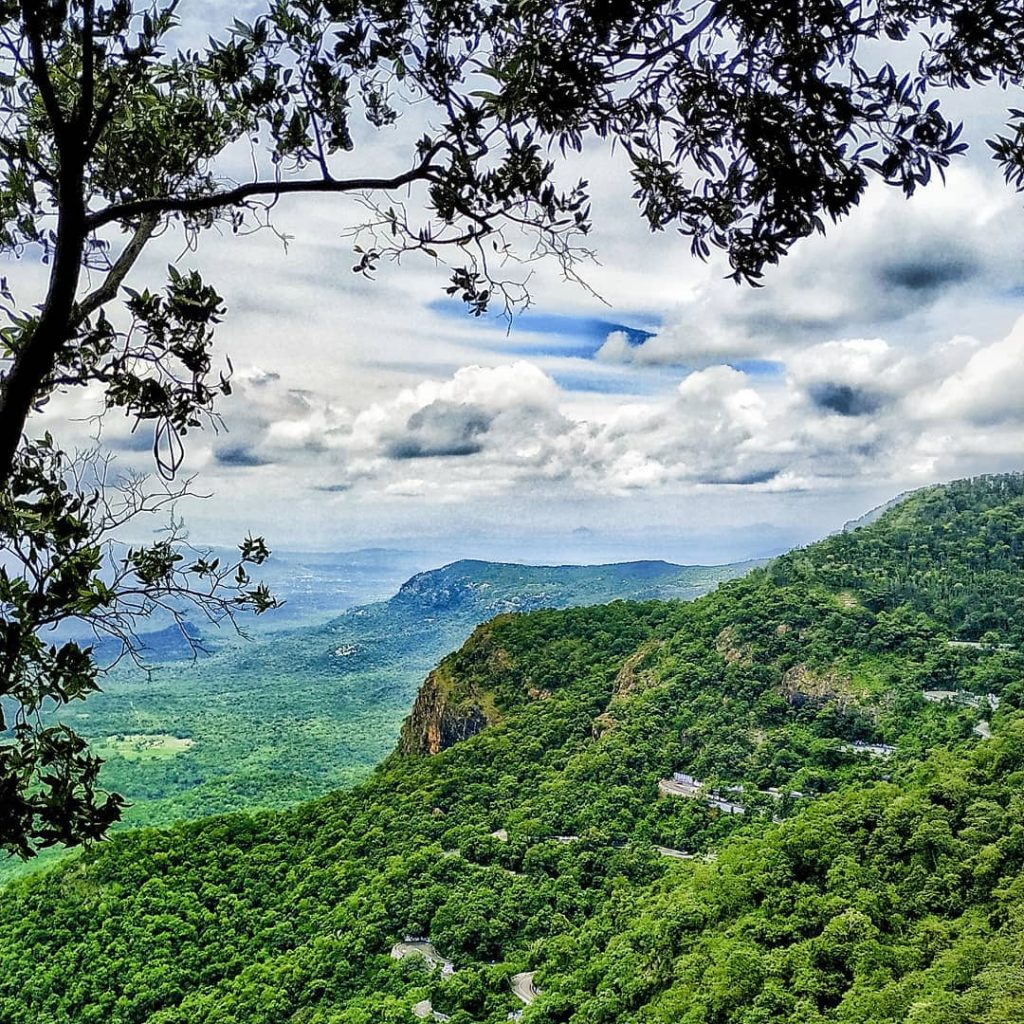
While these elevated cabins offer excellent, unobstructed views of the Nilgiri hills and the surrounding scrub forest, they lack the rustic charm of a genuine, creaky wooden treehouse. If an authentic architectural experience is what you want, always ask the property host for unedited video footage of the cabin’s structural supports before paying your deposit.
Why Quiet Locations Matter (Bokkapuram & Singara)
If you want a genuine shot at spotting wildlife, location is everything. Treehouses situated close to the main Masinagudi town or near busy roads see almost zero large mammal activity due to heavy vehicle traffic.
Your best bet lies in properties located deep within the Bokkapuram or Singara areas, bordering the core forest zones. These regions still intercept natural elephant migratory paths. However, because these areas are wild, they are heavily protected. Properties here are strictly forbidden from setting up solar fences that block natural animal corridors, meaning a quiet evening on your balcony genuinely could result in a silent giant walking past.
Crucial Rules for Your Stay
If you decide to book a stay, keep these rules in mind to keep yourself safe and respect the local ecosystem:
- Embrace absolute silence: Turn off Bluetooth speakers. Elephants have incredibly sensitive hearing and will bypass the area if they detect human noise.
- Never use flash photography: A flash can blind or startle an elephant, leading to aggressive charges against resort structures.
- Do not walk outside after dark: Masinagudi is active sloth bear, leopard, and elephant territory. Always ask a resort staff member to escort you to your room at night.
Frequently Asked Questions (FAQ)
Q: Is it safe to stay in a Masinagudi treehouse with kids?
A: Yes, most elevated stays are secure. However, properties deep in the buffer zone with steep staircases and rustic ladders may not be suitable for toddlers or elderly travelers.
Q: What is the best month to see elephants in Masinagudi?
A: The dry season (February to May) is best. As water sources deep in the forest dry up, elephants frequently move toward the fringes and riverbeds near resorts in search of water.
Q: Do resorts bait elephants to bring them closer to guests?
A: Legitimate, ethical eco-resorts strictly follow forest department guidelines and do not bait animals. Avoid any property that promises guaranteed sightings via artificial feeding, as this is illegal and dangerous.