The Parvathamalai Night Climb: Surviving the Vertical Iron Ladder
Thinking of climbing Parvathamalai at night? While the cool breeze is inviting, the final vertical iron ladder section is a treacherous, near-vertical rock face with zero safety nets that tests even seasoned trekkers.
You’ve packed your backpack, laced up your running shoes, and set out from Chennai or Bangalore, thinking, “It’s just another hill trek with a temple at the top.”
Stop right there.
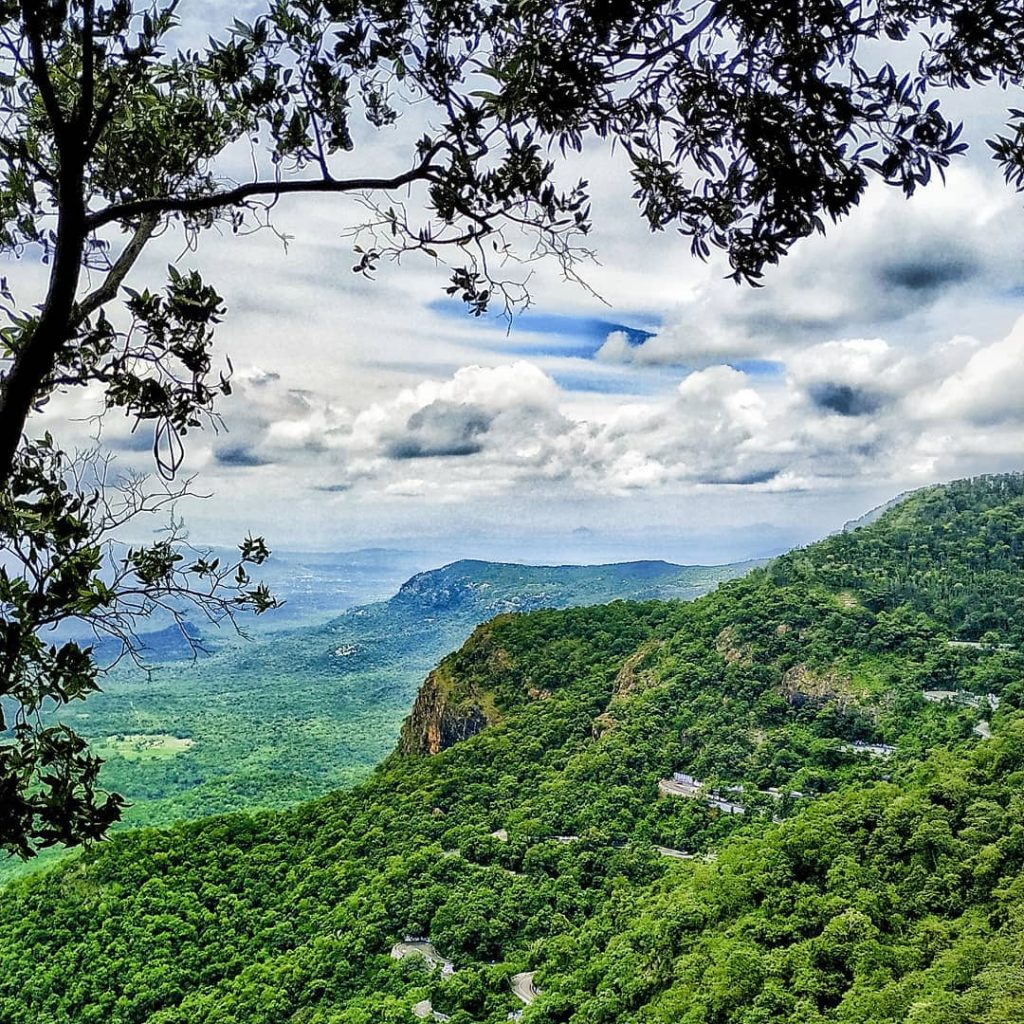
If you are planning a night trek up Parvathamalai—a sacred yet notoriously formidable peak in the Tiruvannamalai district of Tamil Nadu—there is one specific stretch that breaks even the most confident hikers. It is not the endless stone steps or the dark forest trail. It is the infamous Kadapaarai Padi (the Iron Ladder section).
Climbing this near-90-degree vertical cliff in the pitch black of 2:00 AM, with nothing but a cold mountain wind howling around you, is a psychological and physical crucible. Here is the unfiltered truth about what awaits you on the mountain, and how to survive it.
| Factor | Critical Trekker Details |
|---|---|
| Best Start Time | 9:00 PM – 11:00 PM (to reach peak for sunrise) |
| The Danger Zone | The final 300 meters (Kadapaarai / Iron Ladder path) |
| High-Risk Weather | Monsoon season (July to September) & sudden night rains |
| Essential Gear | Hands-free headlamp, high-grip shoes, electro-lytes |
| Physical Demand | High; strictly avoid if you suffer from vertigo or panic attacks |
The Deceptive Warm-Up: Forest and Stone Steps
Starting from the base village of Thenmathimangalam, the trek begins with a deceptively simple trail. You will navigate through a forested path and climb roughly 1,200 uneven stone steps. At night, this section is a test of pure stamina. The humidity can be draining, and your thighs will burn, but it is entirely safe.
Many trekkers make the mistake of exhausting their water supply and physical reserves here, assuming the rest of the climb is just more of the same. It isn’t. The steps eventually end, giving way to a rugged dirt track, which quickly transitions into raw, naked rock face.
The Kadapaarai: Where Panic Sets In
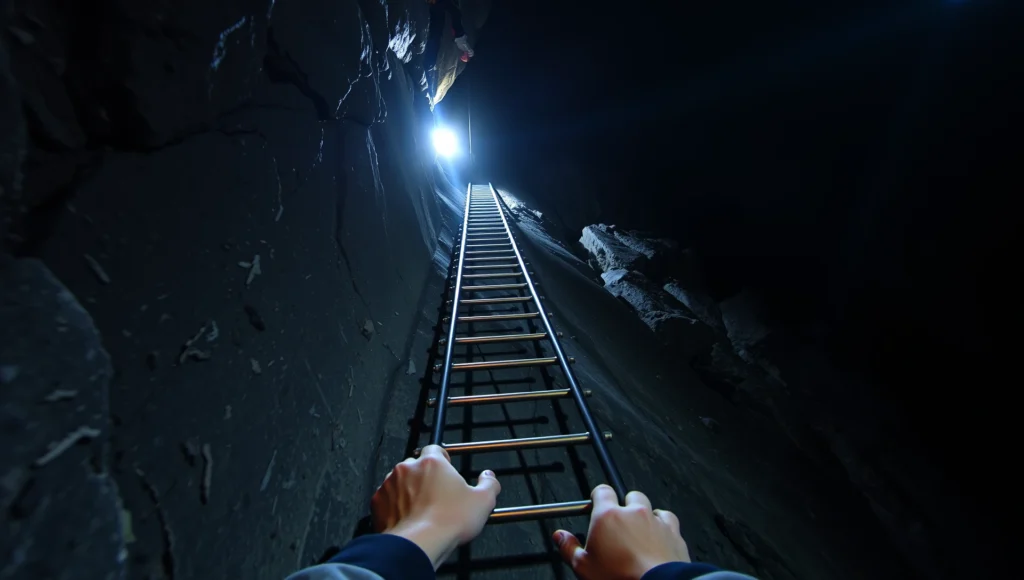
As you approach the final stretch before the summit temple, the mountain changes from a hike into an actual vertical climb. This is the Kadapaarai section.
Instead of steps, you are faced with a sheer rock wall. To scale this, iron rods (kadapaarai) have been driven directly into the rock face. Heavy iron chains hang alongside them to help you pull yourself up.
1. The Mental Trap of the Night Climb
At night, your world shrinks to the tiny beam of your flashlight. You cannot see where the rock ends or how deep the drop is below you. While this sometimes helps prevent immediate panic, the howling winds and the cold metal of the chains can trigger sudden sensory overload. If you drop your flashlight here, you are instantly paralyzed in pitch darkness.
2. The “No-Mistake” Zone
There are no safety harnesses, nets, or park rangers. In several spots, the gap between the iron steps is wide, requiring you to stretch, find a foothold on slippery rock, and pull your entire body weight up using the chains. One misplaced foot or a sudden muscle cramp can result in a catastrophic fall.
Crucial Rules to Survive the Iron Ladder
If you choose to undertake this trek, do not go unprepared. Follow these non-negotiable rules to ensure you make it up—and down—safely:
- Use a Headlamp, Not a Phone Light: You absolutely need both hands free to grip the iron chains and rods. Holding a phone or a handheld flashlight while climbing the Kadapaarai is an invitation to disaster.
- Test Your Shoes Beforehand: Do not wear flat-soled sneakers or old running shoes. You need footwear with deep rubber lugs. The rock faces are worn smooth by thousands of pilgrims and can be incredibly slick, especially with night dew.
- Never Climb During Rain: If it starts raining while you are on the mountain, do not attempt the iron ladder. The metal rods become impossibly slippery, and the rock face turns into a small waterfall. Wait out the rain at a shelter below.
- Keep Your Backpack Light: A heavy backpack will pull your center of gravity backward on the vertical sections, making you unstable. Pack only water, basic medical supplies, and energy bars.
The Reward at the Summit
If you manage your physical energy and conquer the mental hurdle of the Kadapaarai, the summit of Parvathamalai is nothing short of spiritual. Reaching the ancient Shiva temple at 4,500 feet just as the first rays of the sun pierce through the clouds makes every grueling step worth it. But remember: the climb down requires just as much focus, if not more, than the ascent.
Frequently Asked Questions (FAQ)
Q: Is there drinking water available during the night trek?
A: Small makeshift stalls selling water and lime juice operate along the step section on weekends and auspicious nights (like Full Moon/Pournami). However, on weekdays, these are closed. Always carry at least 2 to 3 liters of water per person.
Q: Can beginners attempt the Parvathamalai night climb?
A: It is not recommended for absolute beginners unless they are accompanied by experienced trekkers and possess good physical fitness. Those with a fear of heights (vertigo) should strictly avoid the final iron ladder section.
Q: Are there wild animals on the trail at night?
A: While the hill is part of a reserve forest zone, you are unlikely to encounter large wild predators. However, monkeys are highly active near the peak during dawn and can be aggressive if they see food in your hands.