Rameshwaram Family Tour: Where We Blew Our Budget (And How to Avoid It)
Planning a family trip to Rameshwaram? We spent three days navigating this sacred island as a family of four and quickly realized how easily local tourist traps can drain your wallet if you aren’t prepared.
Rameshwaram is beautiful, spiritual, and rich in history. But because it is a high-footfall pilgrimage destination, it has a parallel economy built on rushing, confusing, and overcharging tourists. If you are traveling with children or elderly parents, the temptation to pay your way out of long lines and chaotic streets is incredibly high.
To help you keep your budget intact, here is the honest truth about where we overpaid during our 3-day family trip—and how you can avoid making the same mistakes.
| Expense Factor | What We Paid (Avoid This!) | Official / Actual Rate | The Smart Traveler Hack |
|---|---|---|---|
| 22 Wells Holy Bath (Teerthams) | ₹1,200 (Private “Guide”) | ₹25 per person | Buy tickets at the inner counter; follow the arrow signs. |
| Spatika Linga Darshan | ₹800 (Agent “VIP” Entry) | ₹50 per person | Line up at 4:30 AM at the West Tower counter. |
| Dhanushkodi Cab Ride | ₹2,200 (Hotel-booked Sedan) | ₹1,200 – ₹1,500 max | Book directly with local drivers outside the railway station. |
| Auto-Rickshaw Transit | ₹300 (1.5 km short ride) | ₹100 – ₹150 max | Walk 100 meters away from the temple gates before hailing. |
1. The 22 Holy Wells (Teerthams) Guide Trap
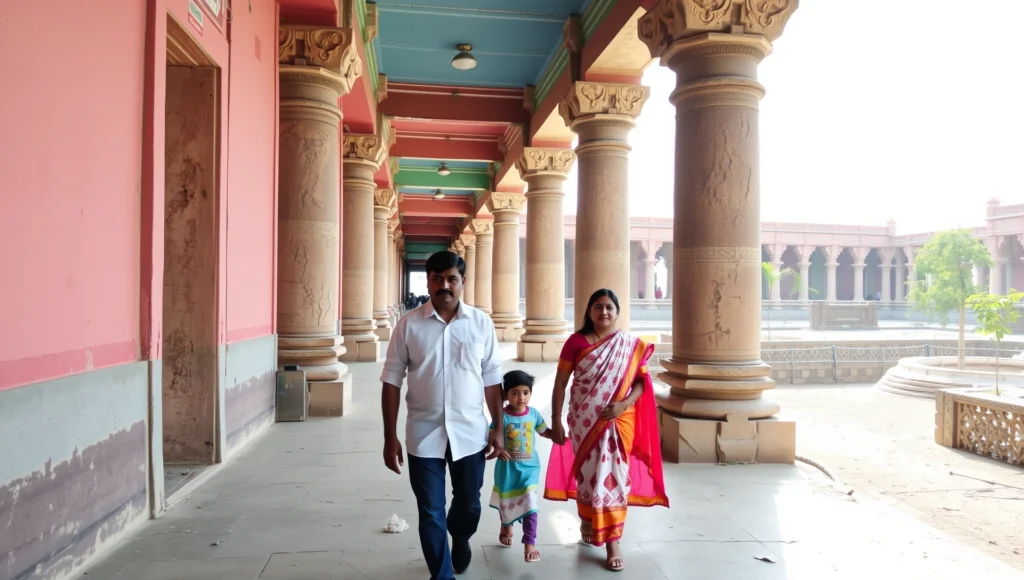
Inside the Sri Ramanathaswamy Temple lie 22 holy water wells (Teerthams). Tradition dictates that you bathe in these waters before entering the main sanctum. As a family of four, we were immediately approached by “guides” offering to take us through the wells quickly without waiting in line for ₹1,200.
The Reality: The official ticket to access the 22 wells is just ₹25 per person. The queue moves incredibly fast because temple staff are stationed at every single well with buckets to pour water over devotees in a assembly-line fashion. Paying a private guide does not grant you a “secret shortcut”; they simply walk you through the exact same crowded paths. Save your money and buy the official ticket inside.
2. Overpaying for the Dhanushkodi “Sand Road” Premium
Dhanushkodi, the ghost town at the southern tip of the island, is a must-visit. Years ago, normal cars could not drive on the loose sand, forcing tourists to pay hefty fees for local 4×4 Mahindra Jeeps. However, a beautiful, fully-paved pitch road now runs all the way to Arichal Munai (Land’s End).
Despite this, our hotel desk quoted us a “special sand transit cab package” of ₹2,200. We foolishly took it, only to find ordinary hatchbacks and family sedans cruising smoothly along the paved highway.
The Fix: If you are traveling as a family, simply hire a standard local taxi from the town center for around ₹1,200 to ₹1,500. There is absolutely no need for specialized off-road vehicles anymore.
3. The 5:00 AM Spatika Linga Darshan “Fast-Track” Hustle
The daily Spatika (Crystal) Linga darshan happens for just one hour, from 5:00 AM to 6:00 AM. Because the window is so short, local agents leverage fear of missing out (FOMO) to sell “guaranteed entry” passes for ₹200 per head, or private guide entries for up to ₹800.
The Reality: The temple administration sells official Spatika Linga Darshan tickets for ₹50. If you arrive at the West Tower entrance by 4:15 AM, you can easily buy the official ticket and get clean, organized entry. Do not buy tickets from middlemen standing outside the temple boundaries.
4. The Temple-Gate Auto Cartel
Auto-rickshaws parked directly outside the East and West Towers of the temple operate on a fixed local cartel system. For a simple 1.5 km drop back to our hotel near the railway station, they demanded a non-negotiable ₹300, claiming “high traffic restrictions.”
The Fix: Walk just 100 to 150 meters away from the main temple barriers. The auto drivers cruising the main streets are much more reasonable and will happily take you to the station area for ₹100 to ₹150.
Frequently Asked Questions (FAQ)
Q: Can we wear western clothes inside the Rameshwaram Temple?
A: No. The temple enforces a strict traditional dress code. Men must wear dhotis, pyjamas, or formal trousers (no shorts or lungis). Women must wear sarees, half-sarees, or salwar kameez with a dupatta.
Q: Is it necessary to hire a guide to visit Dhanushkodi?
A: Not at all. The road to Dhanushkodi is straightforward, highly scenic, and safe. You can simply hire a cab, drive your own car, or take the local government bus (Route 9C) from the Rameshwaram bus stand for a nominal fee.
Q: Do we need to carry a change of clothes to the temple?
A: Yes. If you plan to bathe in the 22 holy wells, you will get completely wet. You must carry a dry set of clothes to change into at the designated changing rooms before entering the main temple sanctum for darshan.