Sathyamangalam Tiger Reserve Route: What Local Cops Inspect at the TN-KA Border Gate
Before you drive through the breathtaking Sathyamangalam Tiger Reserve to cross the TN-KA border, knowing exactly what forest officials and police inspect at the checkpost can save you from hefty fines, seized items, or being turned back entirely.
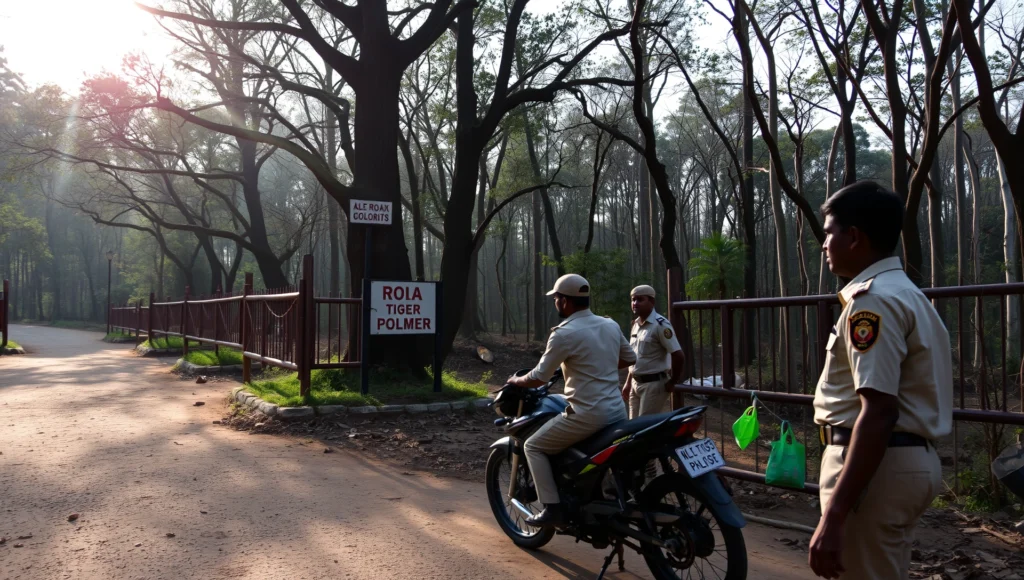
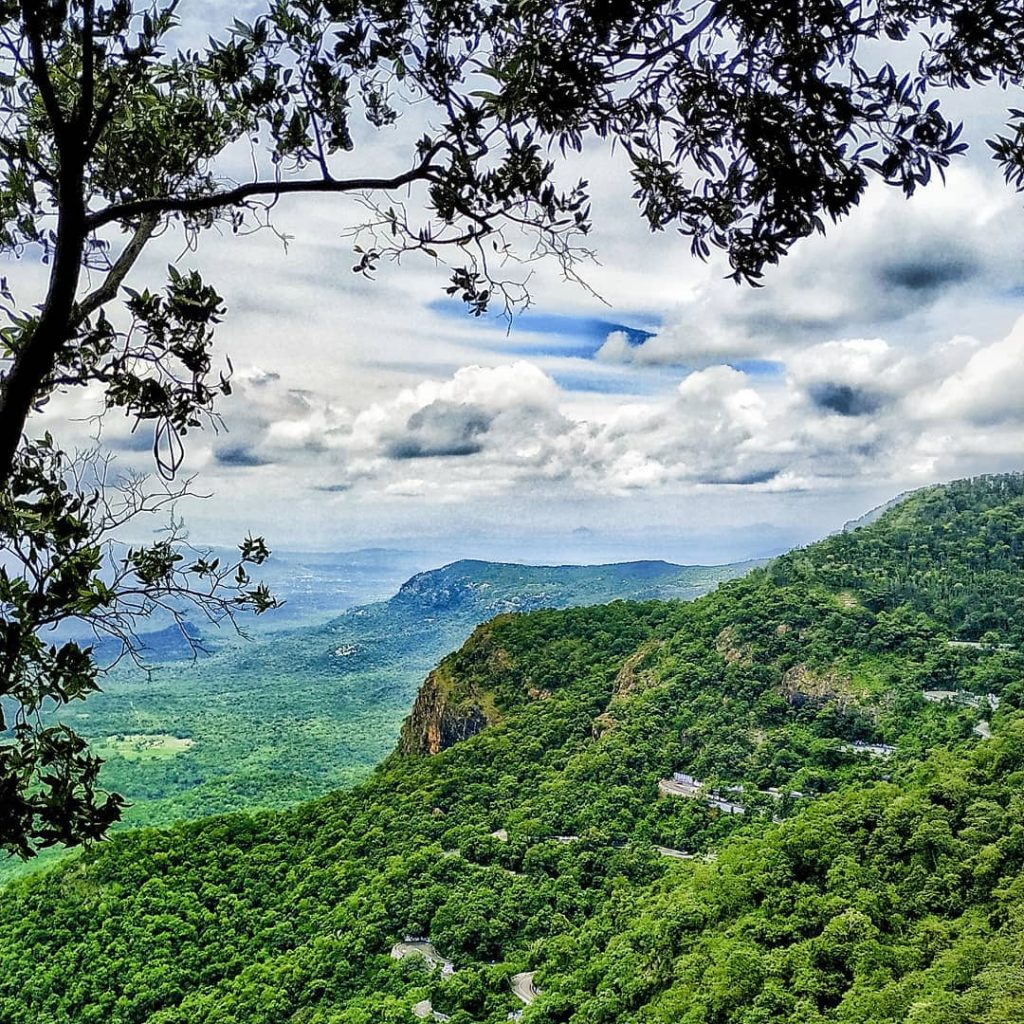
You’ve packed your bags, loaded your GPS with the route through the stunning Dhimbam Ghats, and you are ready for a scenic drive between Tamil Nadu and Karnataka. The roads are winding, the canopy is dense, and the air is crisp. But as you approach the Karappallam checkpost near the border, the mood shifts.
This isn’t your standard highway toll booth. The Sathyamangalam Tiger Reserve (STR) is a highly protected ecological zone, home to over 80 tigers, wild elephants, and leopards. To protect this fragile ecosystem, forest officials and local police run a tight ship.
If you aren’t prepared for what happens at the border gate, you could face delays, heavy fines, or even have your personal belongings confiscated. Here is the insider breakdown of what local authorities actually inspect at the TN-KA border.
| Factor | Critical Traveler Details |
|---|---|
| Primary Checkpost | Karappallam Checkpost (TN-KA Border) / Bannari Gate |
| Strict Night Closure | 6:00 PM to 6:00 AM (No heavy commercial vehicles; private cars restricted) |
| Zero-Tolerance Items | Single-use plastics, alcohol, unregistered drone cameras |
| Highest Fine Trigger | Stopping, taking selfies, or feeding wildlife on the ghats |
| Ghat Road Profile | Dhimbam Ghat: 27 steep, narrow hairpin bends |
1. The Single-Use Plastic Audit
Tamil Nadu has a strict ban on single-use plastics, and inside the Tiger Reserve, this rule is absolute. At the checkpost, officers will frequently ask you to open your glove compartment, boot, and door pockets.
If they spot thin plastic carry bags, disposable plastic water bottles, or plastic food packaging, they will confiscate them. In some cases, they will count your reusable plastic bottles and note them down, warning you that you must exit the reserve with the exact same count.
2. Inter-State Alcohol Inspection
Transporting alcohol across the Tamil Nadu-Karnataka state border without valid excise permits is illegal. The police at the border gate are incredibly thorough with this check. They don’t just look at the back seat; they will check spare tire wells, toolboxes, and luggage bags. Even carrying an open or half-empty bottle of liquor purchased in Bangalore or Coimbatore can land you in a legal mess with border excise authorities.
3. Camera Gear, Drones, and Dashcam Regulations
While having a dashcam for safety is generally accepted, using professional camera gear or drones inside the reserve is a massive red flag. Drones are strictly banned without prior written permission from the Chief Wildlife Warden. If officers spot a drone bag in your vehicle, they may ask you to seal it or log its entry.
Furthermore, stopping your car to take photos of wild elephants or deer on the roadside is a serious offense. If caught by patrolling forest guards or checkpost officers viewing your dashcam or phone footage, you can face spot fines starting from ₹10,000.
4. Food Items and Feed Ban
Monkeys line the Dhimbam Ghat road, and travelers often make the mistake of throwing them bananas, biscuits, or chips. Because of this, forest guards check vehicles for large, exposed bundles of fruits or snacks meant for feeding. Feeding wildlife disrupts their natural hunting habits and draws them onto the roads, leading to fatal accidents. Keep all food items sealed and out of sight.
5. Vehicle Condition and Load Checks
Because the 27 hairpin bends of Dhimbam Ghat are notorious for heavy truck breakdowns that choke traffic for hours, the police inspect vehicles—especially commercial ones—for overloading. For private cars, they may occasionally check your vehicle’s emission certificate (PUC) and registration papers, ensuring the vehicle is in roadworthy condition to tackle the steep incline without stalling.
Pro-Tips for a Hassle-Free Border Crossing
- Keep your trash in a bin: Use a reusable, cloth trash bag inside your car for wrappers and waste.
- Cross before dusk: Aim to cross the Bannari checkpost well before 5:00 PM. Fog, wild elephant movement, and traffic pile-ups on the hairpins make night driving dangerous and highly restricted.
- Do not stop: If you spot a herd of elephants, keep a safe distance, roll up your windows, do not honk, and keep moving slowly. Stopping for selfies is the easiest way to get fined or charged by an elephant.
Frequently Asked Questions (FAQ)
Q: Is the Sathyamangalam Tiger Reserve road open 24/7 for cars?
A: While private passenger cars are generally allowed to pass, there are strict speed limits and patrolling at night. Heavy commercial vehicles are completely banned from using the Dhimbam Ghat stretch between 6:00 PM and 6:00 AM to allow undisturbed wildlife movement.
Q: What is the fine for stopping inside the forest range?
A: Stopping your vehicle, stepping out, littering, or taking photos of animals inside the Sathyamangalam Tiger Reserve can attract spot fines ranging from ₹5,000 to ₹25,000, depending on the severity of the wildlife disturbance.
Q: Can I carry pets in my car through the border checkpost?
A: Yes, you can transit with pets in your private vehicle, but you are absolutely not allowed to let your pets out of the vehicle anywhere inside the reserve boundaries due to the risk of predator attacks and disease transmission to wild animals.