The Ancient, Secret Highway: Hiking from Kumbakkarai to Kodaikanal
While tourists pack the hairpin bends of the Kodaikanal ghat road, seasoned trekkers quietly bypass the asphalt entirely, climbing an ancient, grueling foot trail from the forest floor of Kumbakkarai directly into the clouds of Vattakanal.
Before the British laid down the asphalt ghat roads to escape the blistering heat of the plains, there was only one way to reach the cool heights of the Palani Hills: a steep, relentless foot trail used by royal messengers and local tribes. Today, that trail remains mostly hidden from the average tourist, known only to serious trekkers and the residents of Vellagavi—a remote mountain village with no road access.
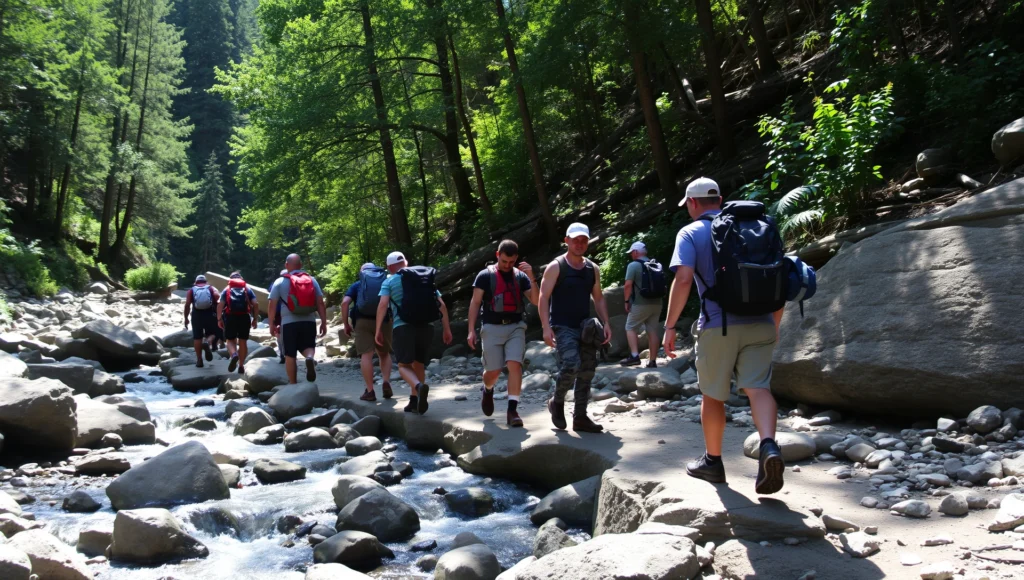
Starting at the humid base of Kumbakkarai Falls, this trek takes you through dense canopy forest, sprawling cardamom plantations, and a sacred, shoe-free village before ending at the misty cliffs of Dolphin’s Nose in Kodaikanal. If you are planning to trade the cozy car ride for a raw, thigh-burning mountain climb, here is what you need to know before stepping foot on the trail.
| Factor | Critical Traveler Details |
|---|---|
| Starting Point | Kumbakkarai Falls (Base, near Periyakulam) |
| Ending Point | Dolphin’s Nose / Vattakanal (Kodaikanal) |
| Distance & Time | ~15 km (One way) | 7 to 9 hours of continuous climbing |
| Elevation Gain | ~1,600 meters (From 400m to 2,000m above sea level) |
| Permit Requirement | Mandatory Forest Department clearance at Kumbakkarai Beat Office |
| Crucial Rule | No footwear allowed while crossing Vellagavi Village limits |
The Ascent Profile: From Scrub Jungle to Pine Forest
The Kumbakkarai-Kodaikanal trek is not a casual weekend walk. It is a relentless, uphill staircase carved by nature. The first three kilometers out of Kumbakkarai Falls test your stamina with dry, humid deciduous scrub forest. The air is thick, and the heat radiating off the rocky terrain can quickly drain your water supply.
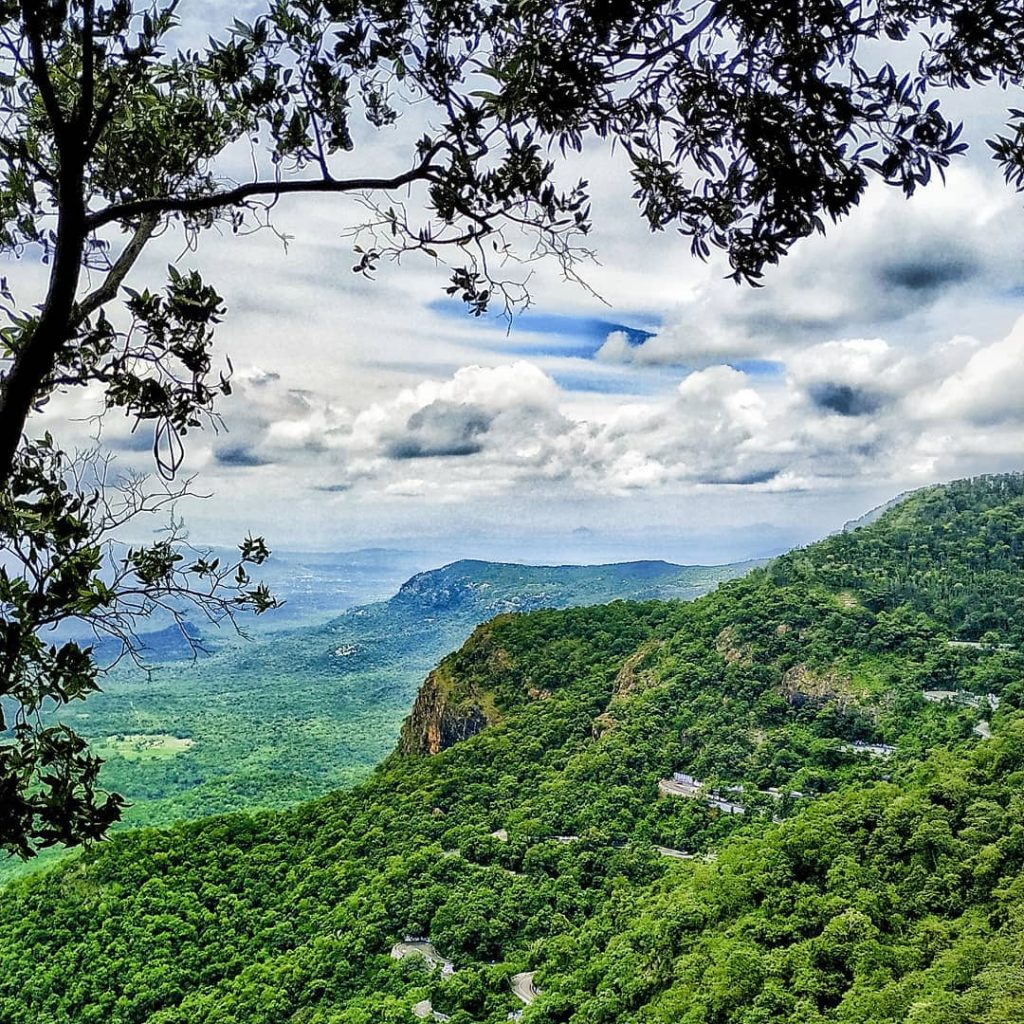
As you gain altitude, the air cools, and the vegetation changes. Around the 5-kilometer mark, you enter moist evergreen forests where the smell of wild lemon grass and damp earth replaces the dry heat of the plains. By the time you reach the upper ridges, you are surrounded by towering pine trees and low-hanging clouds—a sensory reward that feels earned because every foot of elevation was conquered on your own legs.
Vellagavi: The Ancient Village Where Shoes Are Forbidden
About halfway through the climb, the dense canopy clears to reveal Vellagavi, a 300-year-old settlement clinging to a narrow mountain ridge. Home to about a hundred families, this village has no road connectivity. Everything from gas cylinders to groceries is hauled up on the backs of horses or by the villagers themselves.
Vellagavi has a unique spiritual rule that is strictly enforced: no footwear is allowed inside the village boundaries. Because the entire village is considered temple land, you must remove your trekking boots at the entrance arch and walk barefoot along the paved stone paths of the village. It is a humbling cultural experience that connects you instantly to the ancient traditions of the hill tribes.
Crucial Safety Measures and Wildlife Etiquette
This trail is beautiful, but it is also a wild mountain corridor. Keep these expert safety tips in mind to avoid getting stranded or fined:
- Start Before Dawn: You must cross the forest checkpoint at Kumbakkarai by 6:30 AM. Starting late means hiking in the scorching afternoon sun on the lower, unshaded slopes, increasing your risk of heat exhaustion.
- The Bison Corridor: The Palani Hills are home to large herds of Indian Bison (Gaur). Keep your distance if you spot them on the trail. They are generally peaceful but will charge if cornered or if they feel their calves are threatened.
- Leech Defense: During and immediately after the monsoon season, the trail between Vellagavi and Kodaikanal swarms with forest leeches. Keep salt or tobacco powder handy to quickly detach them from your ankles.
Frequently Asked Questions (FAQ)
Q: Can I do the Kumbakkarai to Kodaikanal trek without a guide?
A: While the trail is physically visible, hiring a local guide from Kumbakkarai is highly recommended. The forest department often requires a guide for permission, and they are invaluable for navigating elephant paths and interacting with the villagers of Vellagavi.
Q: Can we camp overnight in Vellagavi village?
A: Wild camping is not allowed within the village boundaries. However, some villagers offer basic homestay facilities, tent camping in private cardamom orchards, and simple home-cooked meals if arranged in advance.
Q: Is there mobile network connectivity on this trekking route?
A: Network connectivity is highly unstable. You will lose signal completely a few kilometers past Kumbakkarai. BSNL and Jio work intermittently near Vellagavi village, but you should not rely on mobile data for navigation. Download offline maps beforehand.