Why Trekking to the Real Base of Catherine Falls is a Dangerous Mistake
While Catherine Falls looks stunning from Coonoor’s safe viewpoints, attempting to trek down to its raw, unmapped base pool plunges you into a highly technical, restricted zone dominated by aggressive wild bison and treacherous, slippery vertical drops.
You see the double-cascading silver stream from Dolphin’s Nose viewpoint and think, “I can hike down there for the ultimate adventurous shot.”
Stop right there.
What looks like a simple walk through the lush tea estates of Aravenu quickly devolves into a vertical scramble through dense, unmaintained shola forest. Seasoned local trekkers and forest department officers strongly advise against attempting to reach the actual plunge pool of the lower falls. It isn’t just a rugged hike; it is a highly volatile ecological zone where rescue operations are practically impossible.
Here is the honest, boots-on-the-ground truth about why pushing past the designated viewpoints at Catherine Falls is a gamble you shouldn’t take.
| Factor | Critical Traveler Details |
|---|---|
| Permitted Viewpoints | Dolphin’s Nose, Aravenu Trail (safe, paved areas) |
| The “Real Base” Status | Highly restricted; strictly monitored by Forest Dept |
| Primary Wildlife Hazard | Indian Gaur (Bison) herds active in dense brush |
| Terrain Technicality | Slippery wet granite, 60-degree slick mud slopes |
| Cellular Connectivity | Zero signal once inside the deep gorge basin |
The Hidden Geography of the Catherine Falls Gorge
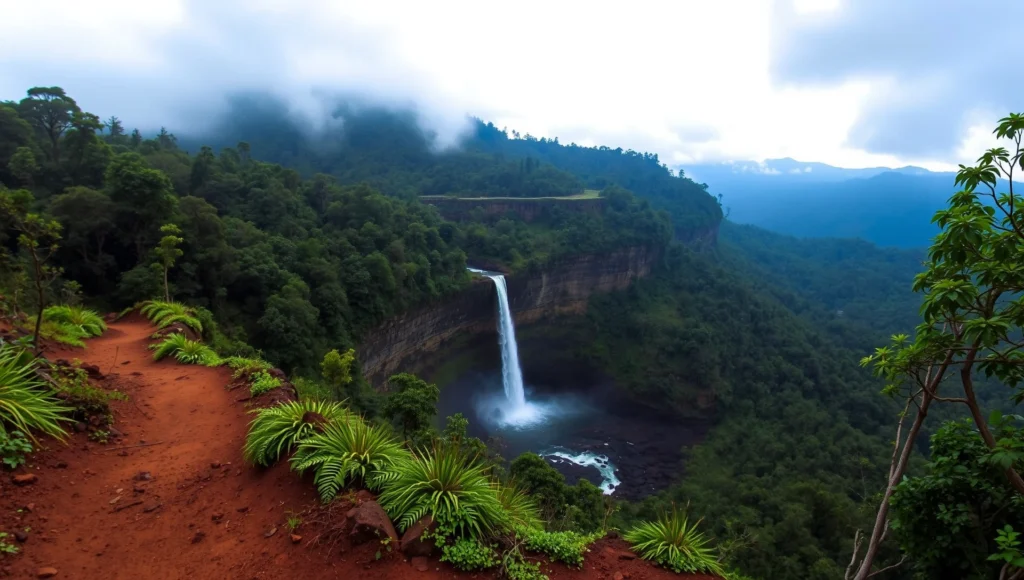
Catherine Falls is a double-cascade waterfall dropping nearly 250 feet into the Kallar River basin. While the upper falls are easily accessible via a flat, paved 2.5-kilometer trail from Aravenu, the lower fall drops into a deep, sheer-sided canyon.
The transition from the manicured tea plantations to the raw gorge is deceptive. Within a few meters of leaving the established pathways, the trail drops sharply. The canopy of the Shola forest closes in, blocking out sunlight and keeping the forest floor in a state of perpetual moisture. What looks like dry dirt on top is often a thin layer of organic debris hiding slick, clay-heavy mud that offers zero traction.
Three Technical Reasons This Trail is Treacherous
1. The Nilgiri Gaur (Indian Bison) Corridor
The dense valleys around Kotagiri and Coonoor are prime feeding grounds for the Indian Gaur. These massive, unpredictable animals utilize the water runoff zones of Catherine Falls to drink and graze. Because the gorge is incredibly narrow, if you encounter a Gaur on the descent, there is literally nowhere to go. You cannot climb up the sheer muddy walls, and descending rapidly will guarantee a dangerous fall.
2. Damp Moss-Covered Granite
The mist generated by the 250-foot drop coats the entire lower basin in a constant micro-spray. Over centuries, this has allowed a thick, oily layer of black moss to grow over the granite boulders. Standard hiking shoes—even those with high-end Vibram soles—cannot grip this surface. One slip on these rocks will send you straight into deep rock crevices or fast-moving water pools.
3. Upstream Flash Flood Risks
Catherine Falls is fed by stream networks originating high in the Nilgiri hills. If it rains heavily five miles away in Kotagiri, the water levels at the lower pool can surge violently within minutes. If you are trapped at the bottom of the gorge when a surge occurs, the escape routes are cut off instantly by rising water levels.
The Legal Reality: Is It Even Allowed?
It is crucial to understand that trekking down to the actual pool of Catherine Falls is legally restricted. The Tamil Nadu Forest Department has strictly prohibited unauthorized entry into these deep valley zones to prevent accidents and protect the fragile ecosystem. Violators caught venturing off-trail face heavy fines and potential legal action.
How to Safely Experience Catherine Falls
You do not need to risk your safety to enjoy this natural wonder. To get the best experience without the technical hazards, follow this safer itinerary:
- The Aravenu Viewpoint Walk: This is a flat, scenic 2.5 km walk through private tea estates. It brings you to a safe, fenced viewing deck where you can see the head of the falls.
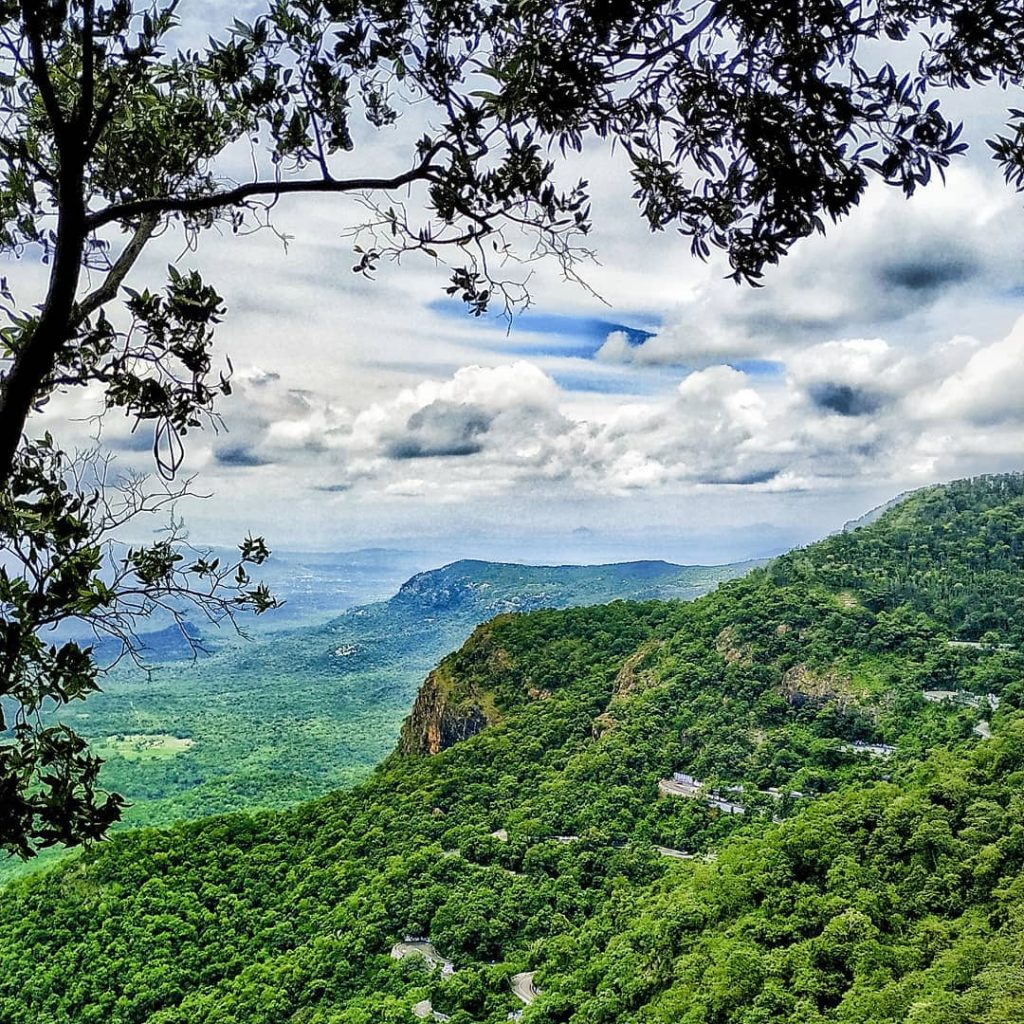
- Dolphin’s Nose (Coonoor): Located about 10 km from Coonoor, this dramatic cliff-edge viewpoint offers the most spectacular, comprehensive head-on view of both cascades of Catherine Falls.
- Golden Hour Photography: Visit between 8:00 AM and 11:00 AM. The morning light hits the canyon perfectly, allowing you to capture stunning high-resolution shots of the falls using a zoom lens.
Frequently Asked Questions (FAQ)
Q: Can we swim in the pool at the bottom of Catherine Falls?
A: No. Swimming is strictly prohibited and highly dangerous due to unpredictable underwater currents, hidden sharp rocks, and the sheer force of the falling water cascading from above.
Q: Is a guide required to visit the standard Catherine Falls viewpoint?
A: No, the walk from Aravenu to the official viewing platform is a well-paved, straightforward trail that can be done solo or with family without any guide.
Q: What is the best time of year to visit Catherine Falls?
A: The post-monsoon months of October to January are ideal. The waterfall flows at its maximum volume, and the surrounding Nilgiri hills are exceptionally green and clear of heavy summer haze.