Velliangiri 7th Hill Trek: The Real Gear List You Need Before Starting the Midnight Climb
Before climbing the “Kailash of the South” at midnight, realize this: a simple phone flashlight and standard running shoes are a direct ticket to a painful, stranded rescue off the third hill.
You’ve probably seen the reels. Serene clouds, a majestic sunset over the Swayambhu Lingam, and trekkers smiling at the peak. What those 15-second clips hide are the thousands of steps, the brutal knee-crushing descent, and the shivering wind chill that hits you at 4:00 AM on the sixth hill.
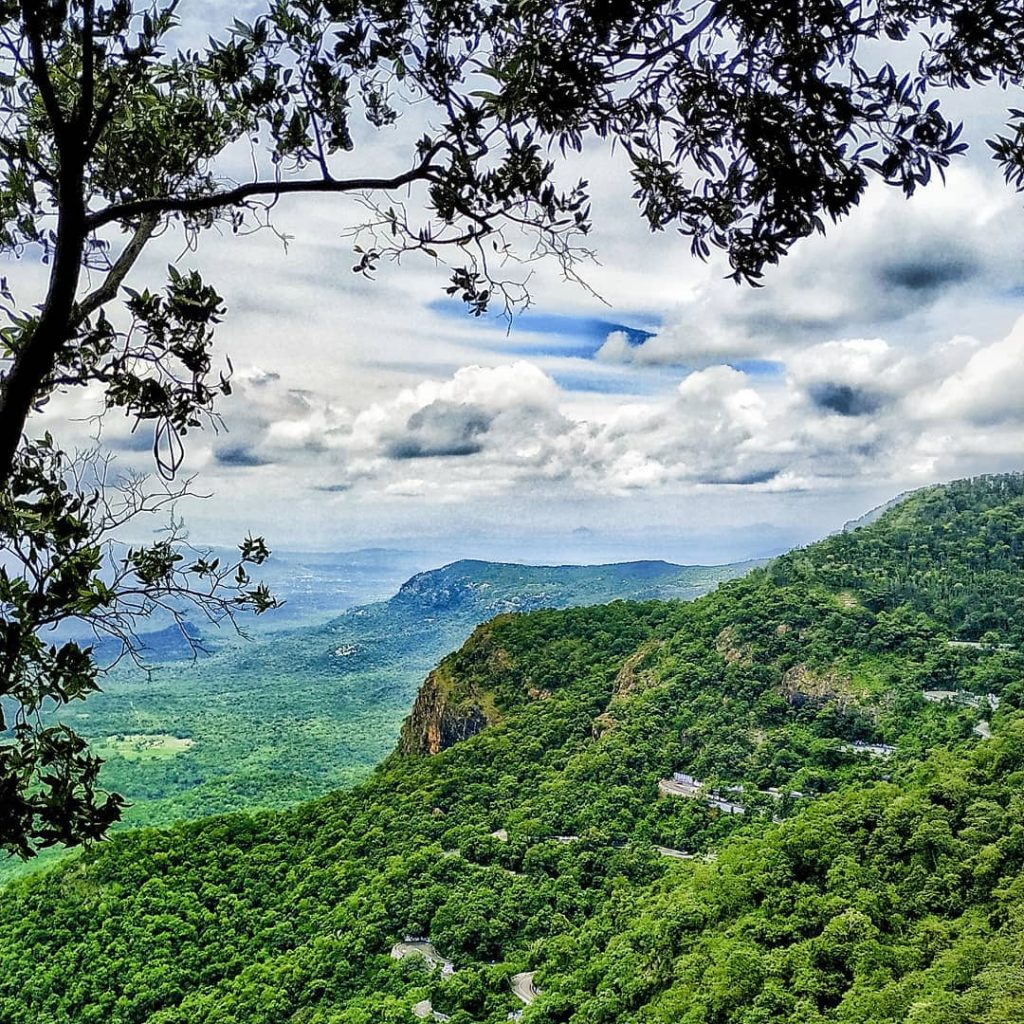
The Velliangiri Hills trek near Coimbatore is not your average weekend hike. It is a grueling, 14-kilometer test of endurance across seven distinct hills, each with its own microclimate and terrain. If you pack like a tourist, the mountain will send you back early.
Here is the raw, field-tested gear list you need to survive and conquer the midnight climb.
| Factor | Critical Trekker Details |
|---|---|
| Ideal Ascent Start | 10:00 PM – Midnight (To catch sunrise at the 7th Hill) |
| The Plastic Ban | Strictly enforced. Zero disposable plastics allowed past the Poondi base. |
| Crucial Local Tool | A native bamboo staff (Mula thadi) bought at the base for ₹20. |
| High-Risk Zone | Hill 3 (Vazhuku Parai) – Extremely slippery, steep rock faces. |
| Microclimate Shifts | Humid jungle (Hills 1–3) to freezing, high-velocity winds (Hills 6–7). |
1. The “Zero-Plastic” Hydration Strategy
The Coimbatore Forest Department security check at Poondi Temple is incredibly thorough. They will confiscate disposable plastic water bottles, snack wrappers, and polythene bags on the spot. If you try to smuggle them, you face heavy fines.
What to pack: Bring at least two 1-liter steel, copper, or heavy-duty reusable aluminum bottles. There are natural mountain streams at the second and fifth hills where you can refill. The water is pristine, ice-cold, and rich in minerals, but if you have a sensitive stomach, carry chlorine purification tablets.
2. Hands-Free Lighting: Why Phone Torches Fail
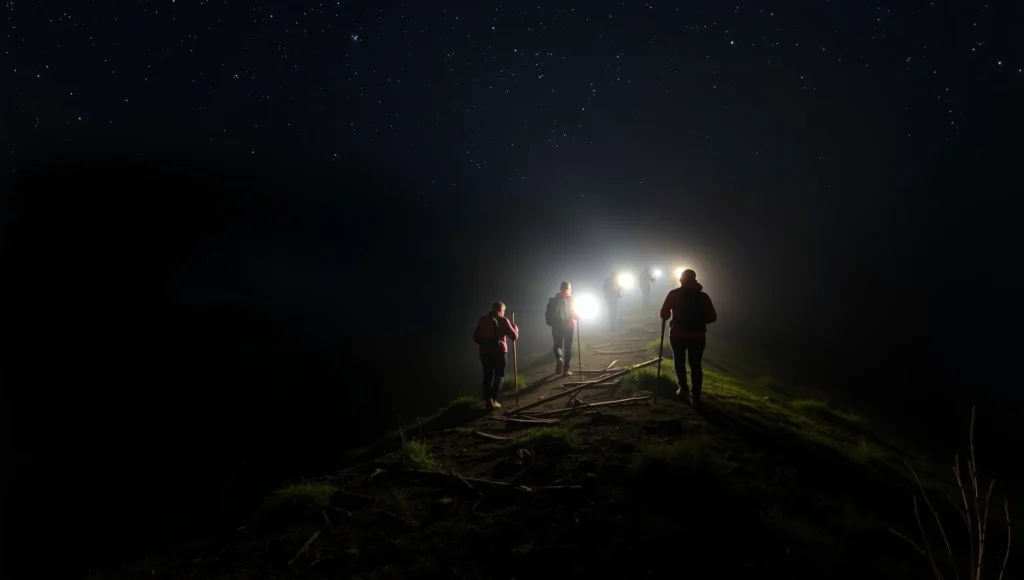
Most trekkers start climbing at midnight to avoid the scorching daytime heat of the Western Ghats. Attempting this climb with a smartphone flashlight in your hand is a recipe for disaster.
You need your hands completely free to scramble over boulders, hold onto tree roots, and balance on the steep gradients of Hill 1 and Hill 3 (Vazhuku Parai).
The Fix: Invest in a high-quality, water-resistant headlamp with at least 300 lumens of brightness. Carry one set of spare batteries. Keep a compact, high-intensity tactical flashlight in your pocket as a backup.
3. The 20-Rupee Savior: The Bamboo Staff
Do not skip this. At the Poondi base, local vendors sell simple bamboo walking sticks (Mula thadi) for about 20 rupees. Even if you own premium carbon-fiber trekking poles, buy the bamboo stick.
Hill 1 consists of over 1,500 irregular, steep stone steps that drain your quadriceps. Descending these same steps on your return journey puts immense pressure on your patella. A sturdy bamboo staff acts as your third leg, absorbing nearly 25% of the impact on your joints and preventing slips on the dusty, loose gravel of Hill 5 and 6.
4. Layering for the Microclimate Shock
The Velliangiri trek is a masterclass in rapid temperature changes.
During the climb up Hills 1, 2, and 3, you will sweat profusely due to the humid forest canopy and steep elevation. However, once you cross the fourth hill and walk along the ridge of the fifth and sixth hills, you enter open grassland. Here, cold winds from the Silent Valley basin strike you directly.
The Clothing Layer System:
- Base Layer: A moisture-wicking polyester t-shirt. Avoid cotton entirely; once soaked in sweat, it stays wet and causes rapid cooling.
- Mid Layer: A lightweight fleece jacket packed in your bag, ready to be pulled out at Hill 5.
- Outer Layer: A windcheater or light windproof jacket. The wind at the 7th Hill summit before sunrise is bitterly cold and can easily trigger hypothermia if you are wet with sweat.
5. Footwear: The Grip That Saves You
While many devout pilgrims climb these hills barefoot as a spiritual penance, doing so without years of conditioning can result in severe cuts, bruises, and sprains.
Do not wear gym shoes with flat or smooth soles. The soil on the Velliangiri hills is a mix of loose red earth, wet clay, and smooth, weathered granite slabs. Look for trail running shoes or trekking boots with deep multi-directional lugs (vibram soles are ideal). Ensure your shoes are broken-in weeks before the trek to avoid debilitating blisters.
Frequently Asked Questions (FAQ)
Q: Is the Velliangiri trek open throughout the year?
A: No. The trek is officially open to the public only during the pilgrimage season, which typically runs from Shivaratri (February/March) to Chitra Pournami (April/May). Entry is restricted during monsoon and high-risk wild animal migration periods.
Q: Are women allowed to climb the Velliangiri Hills?
A: Traditionally, forest department guidelines restrict women between the ages of 10 and 50 from ascending the hills due to the arduous nature of the terrain and safety regulations, though check current forest department notices before planning.
Q: What should I do if I get muscle cramps midway?
A: Carry a few packets of Oral Rehydration Salts (ORS) or electrolyte powder to mix with your water. Dehydration and salt depletion are the primary causes of sudden calf and hamstring lockups on the steep slopes of Hill 3.