Sathuragiri Hill Trek: What the Forest Patrol Actually Searches Your Bag for Before You Climb
Heading up the sacred Sathuragiri Hills? Before you take a single step past the Thaniparai checkpost, forest guards will strip your backpack of daily essentials like plastic bottles, matchboxes, and camphor to protect the tiger reserve—and knowing what is banned saves you from turning back.
You might think, “It’s a religious pilgrimage, surely they won’t mind a few matchboxes for the temple or some wrapped energy bars.”
Think again.
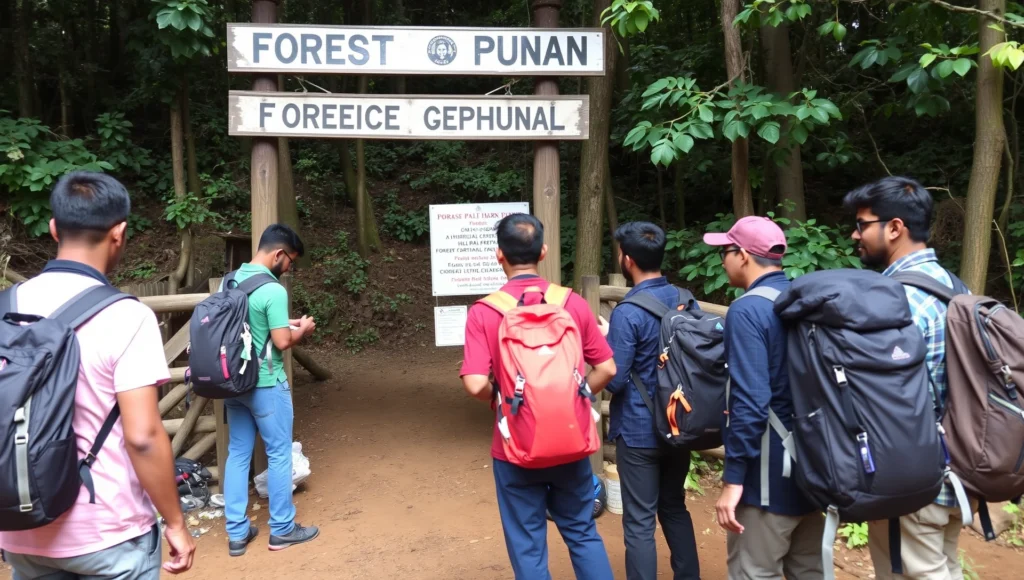
The Sathuragiri hills are located deep within the highly protected Srivilliputhur Megamalai Tiger Reserve. Because of this, the forest department manages the trail with extreme caution. The search at the Thaniparai gate is not a casual peek—it is a thorough, hand-in-bag inspection. If you carry banned items, you will either have to throw them away, pay heavy deposits, or find yourself turned away from the trail entirely.
Here is the honest truth about what the forest patrol looks for, why they are so strict, and how to pack for a hassle-free trek.
| Factor | Critical Traveler Details |
|---|---|
| Checkpoint Location | Thaniparai Base Checkpost (Watrap, Virudhunagar district) |
| Permitted Trekking Days | Amavasai, Pournami, and Pradosham cycles (approx. 8 days a month) |
| Daily Entry Hours | 6:00 AM – 12:00 PM (Strict midday cutoff) |
| Strictly Confiscated Items | Camphor, matchboxes, lighters, single-use plastics, alcohol |
| High-Risk Zone | Sangili Parai and Vazhuku Parai (vulnerable to flash floods) |
The Core Targets: What Will Be Confiscated Instantly
When you queue up at the Thaniparai entry point, forest rangers focus on two main ecological threats: forest fires and plastic pollution. Here is the breakdown of what they will pull from your bag.
1. Camphor, Matchboxes, and Lighters
Sathuragiri is famous for its ancient Shiva temples (Sundaramahalingam and Santhanamahalingam). Traditionally, devotees light camphor for worship. However, the forest patrol will confiscate camphor tablets, matchboxes, and lighters instantly. Forest fires in these rugged, dry-deciduous hills can spread rapidly, trapping thousands of pilgrims on narrow trails. The temples have their own priests to manage rituals; do not bring your own fire starters.
2. Single-Use Plastic Bags and Food Wrappers
Flimsy carry bags, plastic grocery sacks, and even wrappers around your snacks are heavily restricted. If you have biscuit packets or chips, the guards may require you to empty the contents into reusable containers or paper bags before you can proceed. Leaving plastic waste on the mountain threatens local wildlife, including gaurs, elephants, and deer, which often ingest trash left behind on trails.
3. Alcohol, Tobacco, and Intoxicants
Because of the spiritual nature of the trek and the physical dangers of the trail, the route is a strict dry zone. Rangers will thoroughly search for alcohol, cigarettes, beedis, and chewing tobacco. Carrying these items can lead to heavy fines, confiscation, and an immediate ban from the mountain.
The Smart Solution: The Plastic Bottle Sticker System
You cannot trek 10 kilometers uphill without water. To solve this, the forest department uses a clever deposit system for packaged drinking water bottles:
- The Count: At the checkpoint, guards count every plastic bottle you carry.
- The Deposit: They stick a colored sticker on each bottle and charge a refundable security deposit (usually ₹20 to ₹50 per bottle).
- The Return: When you descend, you must present the empty bottle with the sticker still attached at the counter to get your money back.
Pro-Tip: Avoid the hassle entirely by carrying a durable, stainless-steel or copper water bottle. It bypasses the sticker queue and is much better for the environment.
Crucial Safety Rules You Cannot Ignore
Beyond what is in your backpack, the forest patrol enforces strict rules to protect human lives. This is a highly challenging, steep terrain with unpredictable weather patterns.
- No Overnight Stays: Staying overnight on the hilltop is strictly illegal. You must plan your climb early in the morning so you can descend before the evening cutoff.
- Midday Entry Cutoff: The gates close for ascents at 12:00 PM. If you arrive at 12:05 PM, you will not be allowed to climb, regardless of how far you have traveled.
- Flash Flood Alerts: The trail crosses several mountain streams, including Sangili Parai. If there is heavy rain in the upper hills, the forest department will halt the trek instantly, as these streams can turn into deadly torrents within minutes.
Frequently Asked Questions (FAQ)
Q: Can I carry a camera or mobile phone on the Sathuragiri trek?
A: Yes, mobile phones and personal cameras are allowed. However, flying drones is strictly prohibited without prior permission from the Chief Wildlife Warden, as it disturbs the nesting birds and wildlife in the tiger reserve.
Q: Are there food options available along the Sathuragiri trail?
A: During the permitted pilgrimage days, local charities run free food stalls (Annadhanam) along the route and at the hilltop. You will also find small shops selling water and herbal tea, meaning you do not need to pack heavy meals.
Q: Is the Sathuragiri trek open every day?
A: No. The trek is open to the public only twice a month, for about 8 days total, surrounding the New Moon (Amavasai), Full Moon (Pournami), and Pradosham days. Entry is closed to public visitors outside of these specific calendars.