Vattakanal Dolphin’s Nose Trail: The Slippery Cliff Edge Where Backpackers Keep Losing Their Shoes
Planning to walk the misty pine trails of Vattakanal to Dolphin’s Nose? If you are wearing casual sneakers or flip-flops, you might return barefoot—this steep, root-tangled path is notorious for swallowing cheap footwear and punishing unprepared hikers.
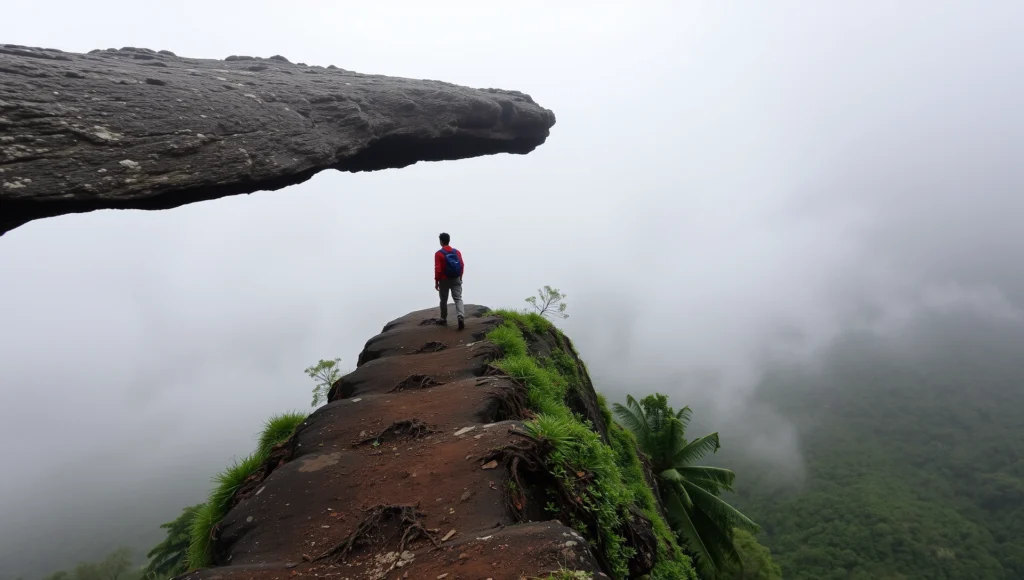
You’ve probably seen the breathtaking photos: a flat, dolphin-shaped rock jutting out over a yawning chasm, surrounded by the dramatic, mist-shrouded valleys of Kodaikanal. It looks like a gentle, romantic walk through the woods.
But here is the reality check most travel blogs omit. The trail down to Dolphin’s Nose in Vattakanal is not a paved tourist pathway. It is a rugged, steep, and highly technical descent over exposed, polished pine tree roots and slippery black clay.
If you descend this trail without respecting the terrain, you will likely join the ranks of hundreds of backpackers who end up hobbling back up with broken straps, detached soles, or no shoes at all.
| Factor | Critical Traveler Details |
|---|---|
| Trail Distance & Time | 1.5 km (One way), roughly 45 mins descent, 1 hour ascent. |
| Terrain Type | Exposed pine roots, loose volcanic soil, wet clay, steep rock steps. |
| Shoe Failure Hotspot | The root-ladder section right after Altaf’s Cafe. |
| Best Footwear | Trail running shoes or hiking boots with deep lug soles (minimum 4mm depth). |
| Worst Footwear | Crocs, flip-flops, smooth-soled sneakers, canvas slip-ons. |
Why the Vattakanal Trail Swallows Footwear
The microclimate of Vattakanal, often referred to as “Little Israel,” plays a massive role in making this trail a shoe graveyard. Hidden at an altitude of over 2,000 meters, this hillside receives constant moisture from low-hanging clouds and sudden afternoon drizzles.
This perpetual dampness affects the trail in two distinct ways:
- The Soap-Slick Pine Roots: The trail is heavily dominated by old pine trees. Their massive, exposed roots run across the path like a tangled net. Over years of foot traffic, these roots have been polished smooth. When damp, they act like natural, wooden slides.
- The Clay-Suction Mud: Beneath the pine needles lies a thick layer of dark mountain soil. When rain hits, this soil turns into a thick, sticky clay. As you step into it, the clay creates a vacuum seal around the sole of your shoe. If your footwear isn’t securely strapped or tied, the mud literally pulls it off your foot as you lift your leg.
The 3 Mistakes Backpackers Make Here
1. Treating it Like a Casual Stroll
Because the trail starts right near local cafes and homestays, many travelers head down carrying chai cups, cameras, and wearing loose slip-on shoes. They don’t realize that the return journey is a grueling uphill climb that requires active toe-gripping and ankle stability.
2. Relying on Flat-Soled Fashion Sneakers
White street sneakers and canvas shoes have zero traction on wet rock. Once the flat rubber soles touch the mossy surfaces near Echo Rock (just past Dolphin’s Nose), hikers lose their footing, slip backward, and rip the thin canvas of their shoes on sharp rock edges.
3. Walking Barefoot After a Shoe Break
When a strap breaks, frustrated hikers often decide to walk the rest of the way barefoot. This is highly risky. The forest floor is littered with sharp pine cones, broken glass fragments from irresponsible tourists, and hidden thorns that can easily cause deep cuts and infections.
How to Survive the Descent Safely
To enjoy the breathtaking view from the edge of the rock without a twisted ankle, follow these hard-learned rules from local guides:
Step on the Dirt, Not the Roots: When descending, avoid stepping directly on top of the round pine roots. Instead, place your feet in the dirt pockets between them. If you must step on a root, place your foot perpendicular to it to avoid sliding sideways.
Lean Forward, Keep Your Knees Bent: Your center of gravity should be low and slightly forward. Leaning backward makes it easier for your feet to slip out from under you, resulting in a painful tailbone landing.
Pack Light and Free Your Hands: Do not carry water bottles or phones in your hands. Put everything into a small backpack so your hands are completely free to grab onto secure branches or rocks if you lose your balance.
Frequently Asked Questions (FAQ)
Q: Is there an entry fee for the Dolphin’s Nose trail in Vattakanal?
A: No, there is no official entry fee to access the trail, but local forest guards may check for plastic bottles at the entry point to prevent littering.
Q: Can senior citizens and children do the Dolphin’s Nose trek?
A: It is not recommended for toddlers or elderly individuals with knee joint issues. The return climb is highly steep and demanding, with no paved steps or handrails.
Q: What is the best time of day to start the trek?
A: Start between 7:00 AM and 9:00 AM. You will beat the heavy crowds, get clear mountain views before the thick midday mist rolls in, and avoid the slippery conditions caused by afternoon showers.